TL;DR A property inspection checklist for UAE rentals should cover five areas: structure, utilities, appliances, safety systems, and documentation. Landlords use it at move-in, during the tenancy, and at move-out to record conditions. Dated photos and signed reports settle deposit disputes before they reach Dubai’s Rental Dispute Centre.
This guide breaks down each check room by room, so nothing gets missed. You will also learn the difference between snagging and inspection, the notice rules for entering occupied units, and when to call professional maintenance help.
A property inspection is a documented review of a rental unit’s structure, systems, and overall condition. Think of it as a health check, where dated photos and notes capture everything from wiring to walls.
That record matters here more than in most markets. The UAE’s heat and humidity wear down AC units, seals, and waterproofing faster than usual. Catching these issues early can cut repair costs by up to 50%, according to a CBRE study. And when a deposit dispute reaches Dubai’s Rental Dispute Centre, your signed report becomes the deciding evidence.
Each inspection type serves a different stage of the rental cycle, and smart landlords use all five. The table below shows when every check happens and what it protects.
| Type | When | Purpose |
|---|---|---|
| Move-In | Key handover day, unit vacant | Record baseline condition with photos |
| Routine | Every 3 to 6 months | Catch maintenance issues and lease breaches |
| Move-Out | 1 to 2 days before vacating | Compare against baseline for deposit decisions |
| Pre-Purchase | Before buying a resale unit | Uncover hidden defects, support price negotiation |
| Snagging | At developer handover | Log construction faults within the warranty window |
Notice how these checks build on each other rather than working alone. A move-out comparison means nothing unless a move-in report first documented the original condition. That is why experienced landlords photograph the unit while it stands empty, before furniture hides flaws.
Property snagging targets newly built units at the developer handover. Inspectors check the finished work against the build specification, hunting for construction defects like misaligned doors, poor grouting, or faulty wiring. A standard inspection instead tracks an occupied rental’s condition throughout its life.
Timing separates them most. Snagging occurs before you accept the keys, even though the Defect Liability Period still obligates the developer to fix faults at their cost. Miss that window and repair bills shift to you. For landlords buying off-plan units to rent, snag first, then inspect regularly.
Solid preparation separates a defensible inspection from a disputed one. Landlords should assemble three things beforehand.
Documents: the signed tenancy contract, previous inspection report, and any maintenance or repair records.
Tools: a 12MP-plus camera, digital checklist, torch, measuring tape, and ideally a moisture meter for hidden leaks.
Legal basics: UAE tenancy rules protect the occupant’s right to quiet enjoyment, so entry requires reasonable prior notice and the tenant’s consent. The law doesn’t fix a single statutory notice period — it’s generally set in the tenancy contract — but written notice of at least 24 hours is a widely used, defensible standard. Dubai Tenancy Law holds tenants liable for damage, not for fair wear, so your records must distinguish between the two.
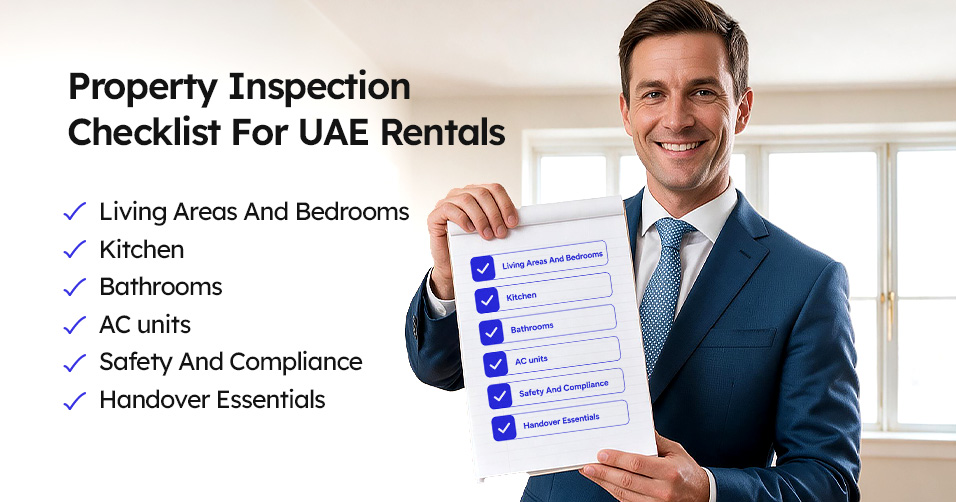
Most landlords miss faults not because of carelessness, but because they inspect without a structured list to follow. This checklist covers every area a UAE rental requires, ordered the way you’d walk through it.
A property inspection only protects you if it happens consistently and leaves a paper trail. The checklist above covers what to look for, yet the habit matters more than any single visit.
Set your schedule, document everything with photos, and store reports where disputes can’t touch them. Landlords who treat inspections as routine rather than emergencies spend less on repairs and keep tenants longer.
Tools like HappyTenant turn that discipline into a few taps, so start before the next tenancy begins.
Follow these seven steps for a property inspection in Dubai that holds up during any dispute.
Signed documentation carries particular weight here, because Dubai’s Rental Dispute Centre decides cases on it.
Finding a problem is easy; deciding who should fix it is the tricky part. Dubai Tenancy Law gives you a starting point: landlords cover major repairs, tenants handle small upkeep. Most contracts set that line between AED 500 and 1,000.
Below it, a handyman can sort loose hinges, sealant touch-ups, or filter swaps. Above it, call licensed property maintenance companies in Dubai instead. Anything electrical, structural, or plumbing-related needs certified hands, and their invoices strengthen your dispute records too.
One habit worth copying from professionals: service the AC every quarter, not after it fails. Summer emergency callouts cost AED 150-300 before parts even arrive.
Paper checklists get lost, and photos scattered across phones prove nothing in a dispute. HappyTenant fixes both problems with a fully digital inspection flow.
Property managers assign inspections in a few taps. Inspectors then work through the unit on the mobile app, capturing photos, notes, and e-signatures as they go. The app runs offline too, handy in basements or new towers without connectivity. Reports are generated instantly and are stored securely for the next visit or any deposit claim.
The system also handles what comes after. Flag a fault, and it becomes a work order sent to the right vendor. Request a demo to see it in action.
Every three to six months works for most UAE rentals, plus checks at move-in and move-out. Always send the tenant a written notice first, and agree on a visit time that suits both sides.
A professional inspection typically costs AED 500 to 1,500 for apartments and up to AED 5,000 for villas. Landlords who run their own checks using a digital app spend nothing beyond their time.
No. Tenants hold the right to live undisturbed, so landlords need consent and reasonable notice before entering. Give at least 24 hours’ written notice, unless the tenancy contract allows emergency access.
No law forces landlords to inspect rented units on a schedule. Courts still expect condition evidence in deposit disputes, though, so skipping inspections weakens your position even where none are mandatory.
We help companies and individuals streamline their workflows and processes.